Highlights on Brown Hair: Choose Your Shade and Placement
Highlights on brown hair lighten selected sections while leaving some of the darker base visible. The result can be subtle brunette dimension, warm caramel ribbons or a stronger blonde contrast. The right choice depends on your starting color, previous treatments, haircut and maintenance preferences.
Highlights can suit men and women equally. The useful question is where the lighter pieces should sit—not which gender should wear them.
Start with the result you want, then choose the shade and application method.
What do highlights on brown hair actually change?
Highlights introduce lighter sections into a darker background. That contrast can make layers, curls and movement easier to see.
They differ from all-over color, which changes the overall base, and lowlights, which introduce darker sections.
| Desired result | Direction to discuss |
|---|---|
| Keep the brunette appearance | Fine, low-contrast brown highlights |
| Add warmth | Caramel, toffee, honey or copper |
| Create a cooler finish | Ash brown, mushroom or selected beige tones |
| Brighten the front | Face-framing placement |
| Make an obvious statement | Wider sections or stronger blonde contrast |
Placement matters as much as shade. A few bright pieces around the face can look more noticeable than a larger number hidden through the lower layers.
Which highlight shade should you choose?
The best highlights on brown hair begin with an honest assessment of the base. Light brown, dark brown and previously dyed brown do not necessarily reach the same result through the same process.
| Shade | Effect on a brown base | Main consideration |
|---|---|---|
| Chocolate or lighter brown | Quiet, low-contrast dimension | May be understated on very dark hair |
| Caramel or toffee | Warm, golden-brown ribbons | Choose it because you like warmth |
| Honey blonde | Brighter golden contrast | More noticeable lightening and grow-out |
| Beige blonde | A softer-looking brown-to-blonde transition | The underlying warmth affects the formula |
| Ash or mushroom brown | Muted, cooler dimension | Maintaining the tone may need extra attention |
| Copper or auburn | Red-orange or red-brown accents | Discuss how fading will change the finish |
| Bright blonde | Strong separation from the brown base | Greater lightening demands on dark hair |
Shade names are reference points, not standardized formulas. One salon’s caramel may look more golden than another’s.
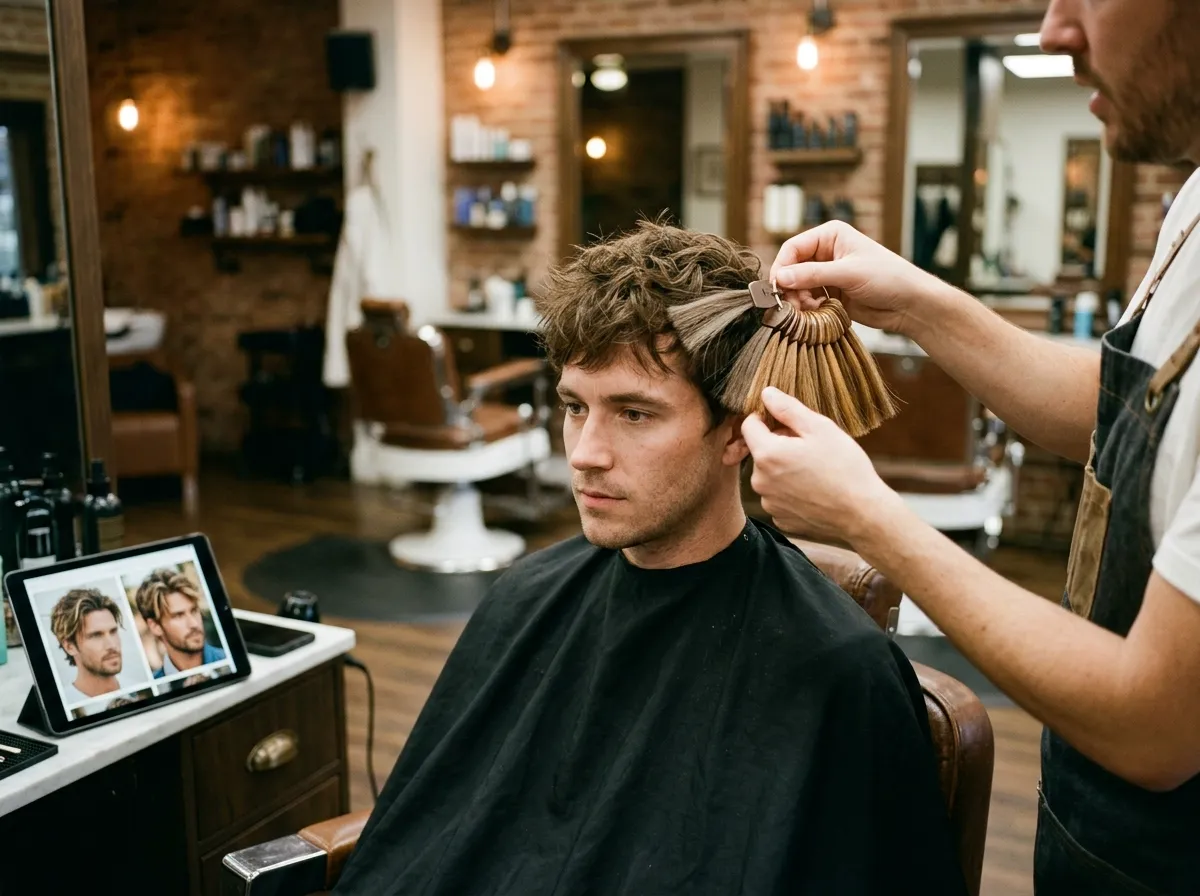
Bring photographs showing both what you like and what you want to avoid. “Warm but not orange” gives your colorist more direction than simply asking for caramel.
Does skin undertone decide everything?
No. Warm shades can complement golden undertones, while cooler shades can create a different relationship with pinker or cooler complexions. These are starting points, not restrictions.
Skin depth and undertone are also different characteristics. Two people with similarly deep skin tones may prefer different highlight colors.
Compare reference images in ordinary lighting rather than relying entirely on filtered photographs.
Balayage, foils or babylights: what is the difference?
When choosing highlights on brown hair, separate the color from the method and placement.
| Term | What it describes | Typical effect |
|---|---|---|
| Balayage | A painting approach | Softer transitions, depending on application |
| Foil highlights | Sections isolated in foils during processing | Controlled sectioning and lightening |
| Babylights | Very fine highlighted sections | Delicate, closely distributed brightness |
| Face-framing highlights | Placement around the face | Attention directed toward the front |
| Money piece | A more prominent front section | Stronger face-framing contrast |
| Chunky highlights | Wider sections | Clearly visible streaks |
| Partial highlights | Selected areas rather than the entire head | Focused brightness |
These categories overlap. A colorist might use fine sections in foils around the face and paint selected lengths elsewhere.
Balayage is not automatically damage-free or maintenance-free. The amount of lightening, processing history and application matter more than the technique’s name.
Highlights on brown hair for men: plan around the haircut
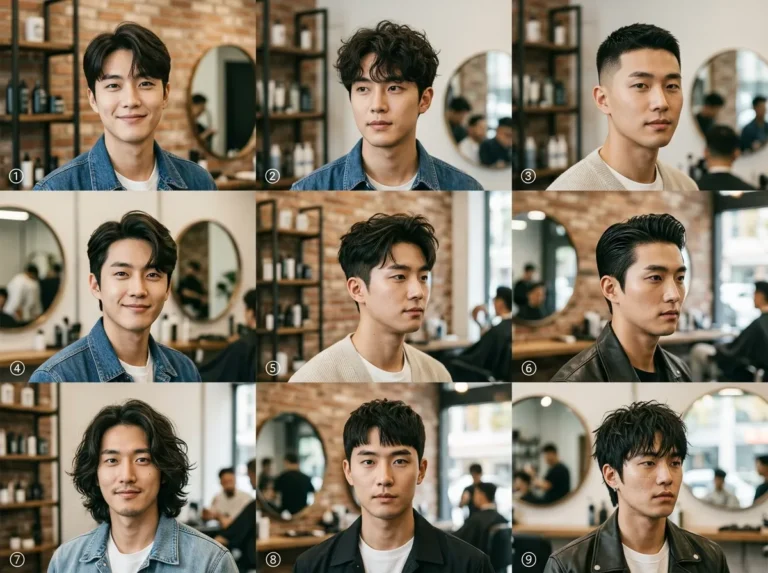
Men’s highlights on brown hair often work best when the color supports the shape of the cut.
| Haircut | Placement to consider | What to discuss |
|---|---|---|
| Short textured crop | Fine pieces through the visible top | How quickly trims will remove them |
| Taper with a longer top | Color concentrated above the shorter sides | Whether to keep the sides naturally brown |
| Middle part | Fine highlights following the part and front movement | How the color looks with either side exposed |
| Curly top | Selected curls or ribbons | Preserve depth between lightened sections |
| Longer layered cut | Highlights through moving lengths | Balance between front brightness and overall depth |
For a first appointment, lighter brown or restrained caramel pieces offer a lower-contrast change than bright blonde. Someone wanting a bold finish can choose stronger contrast; it is a preference, not a gender rule.
A low taper haircut also creates two maintenance schedules: keeping the edges tidy and maintaining the color. Short-side highlights may disappear quickly during trims.
For middle-part styling, show your usual parting before the colorist plans the front sections.
Highlights on brown hair for women: placement changes with length
Women do not need longer hair or blonde highlights to make the effect visible. Short cuts can show fine placement clearly, while longer hair allows more space for gradual transitions.
| Haircut | Possible direction | Practical trade-off |
|---|---|---|
| Pixie or short crop | Fine highlights through the top | Frequent cutting removes colored length |
| Bob | Controlled ribbons around the surface and front | Parting and blunt edges can reveal contrast |
| Layered shoulder-length cut | Highlights following visible layers | Different sections may catch light differently |
| Long hair | Selected ribbons or painted lengths | Older ends need careful condition assessment |
| Curly cut | Placement that follows the finished curl shape | Evaluate the result in its usual styled state |
Caramel is not automatically the best option for every woman, and ash is not automatically better for men. Base color, desired warmth and upkeep provide more useful guidance.
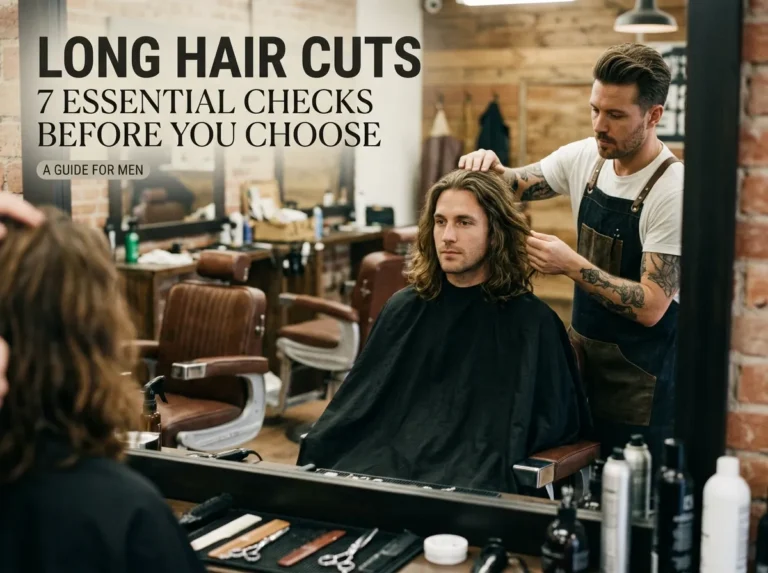
If you are changing the haircut too, settle the intended shape first. Our longer haircut guide can help you shortlist lengths before planning color.
Can highlights change how your face looks?
Face-framing highlights draw attention to particular areas. They do not physically reshape facial features.
A broad, bright front panel makes a stronger statement than fine pieces blended into the surrounding brown. Ask the colorist where the brightness will begin and how it will look with your normal parting.
For highlights on brown hair, a useful consultation question is:
“Can we brighten the front without creating a solid blonde strip?”
Choose placement around the appearance you want rather than treating face-shape advice as a strict rule.
Can your current hair handle the lightening?
Lightening can damage hair. The American Academy of Dermatology’s hair-coloring advice explains that treatments can leave hair dry and brittle, with more dramatic lightening creating greater damage concerns.
Before getting highlights on brown hair, disclose:
- Previous permanent dye, bleach, henna or color-removal treatments.
- Perms, relaxers or straightening services.
- Existing breakage or scalp irritation.
- Previous reactions to hair-color products.
A colorist may recommend a strand test, which assesses how a small section responds. That is different from a skin allergy test.
The FDA’s hair-dye precautions explain why product instructions and skin testing matter, even if previous coloring caused no reaction. Testing does not justify ignoring a known allergy.
Do not use a desired shade as a deadline. A staged approach or a less dramatic result may be more appropriate than trying to reach a pale blonde in one appointment.
This is general grooming information. Seek medical advice for reactions, persistent scalp symptoms or unexplained hair loss.
How much maintenance should you expect?
Maintenance for highlights on brown hair has three separate parts.
| Maintenance need | What changes |
|---|---|
| Root growth | Natural color becomes more visible |
| Tone refresh | The finish becomes warmer, duller or different from the original |
| Haircut upkeep | Trims remove highlighted sections and change placement |
There is no single correct touch-up interval for everyone. Fine root highlights, a bright money piece and painted ends grow out differently.
Ask for a schedule based on your actual placement, growth and tolerance for visible roots—not a generic monthly booking.
Do you need purple shampoo?
Not automatically. Purple pigments target yellow tones; blue pigments are generally used against orange tones.
Wella’s explanation of purple versus blue shampoo for brown hair distinguishes those uses. A warm caramel result may not need cooling simply because warmth is visible.
Toning shampoo does not lighten dark roots or repair bleaching damage. Follow the product instructions and your colorist’s advice rather than assuming more frequent use gives a better result.
Condition appropriately, limit unnecessary heat and protect processed hair from excessive sun exposure.
For curls, gentle handling matters alongside color care. Our guide to different curl patterns explains why pattern alone does not describe hair thickness or condition.
Where did highlighted brown hair become famous?
Highlights have appeared across different periods, techniques and cultures. This review did not establish one inventor or one country where the entire look began.
A documented television example is Jennifer Aniston’s color in Friends. In a 2020 interview, colorist Michael Canalé explained his use of fine highlights and a brunette base when discussing her looks.
His explanation of Aniston’s highlighted color gives useful context: the result involved placement and blending, not simply choosing a blonde shade.
For men, David Beckham’s documented highlighted hairstyles provide a recognizable British celebrity reference. He is a football and style example, not an actor or the inventor of men’s highlights.
Neither example proves where highlights on brown hair first became popular worldwide. Reliable evidence also did not establish a current “most popular country.” Celebrity visibility, salon demand and population-wide popularity are different measurements.
What should you tell your colorist?
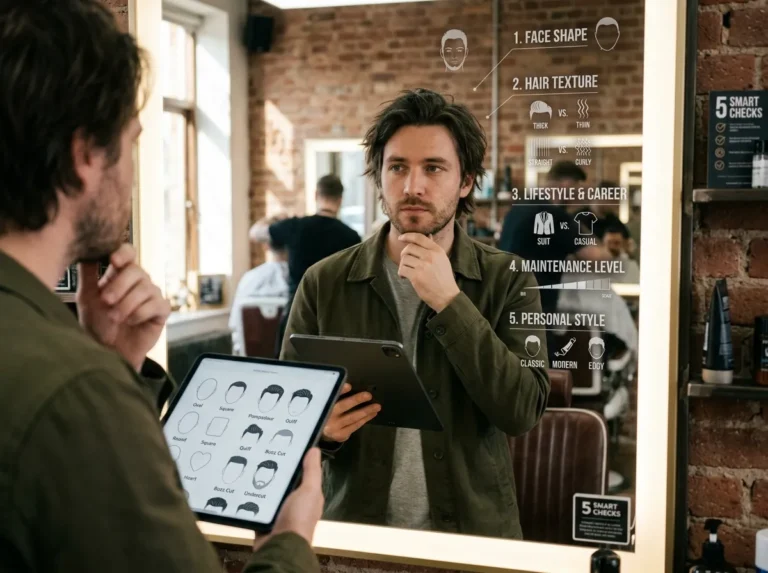
A good brief describes the result, placement and maintenance you can manage.
For subtle highlights on brown hair, you might say:
“I want to stay brunette, with fine caramel pieces through the top and front. Keep visible depth, avoid a solid bright panel and explain how it will grow out.”
For a cooler result:
“I prefer muted beige or ash dimension. Please assess whether my previous color can reach that finish and what maintenance it would need.”
Before agreeing, ask:
- What is realistic on my current hair?
- Will you change the base as well as add highlights?
- What testing is appropriate?
- Does the quoted service include toner, finishing and any necessary haircut?
- What would future maintenance involve?
Agree on the achievable result—not just the reference photo.
Questions before getting highlights
Do highlights on brown hair always require bleach?
Not always. Some results on suitable natural hair may use other lightening color products, but darker bases, previous dye and brighter targets can change the approach.
Are highlights permanent?
Lightened sections do not return to their original pigment when toner fades. They grow out or are cut off, while the deposited tone can change over time.
Do highlights look better on men or women?
Neither inherently. Placement, haircut, contrast and personal preference matter more than gender.
Can you get subtle highlights without going blonde?
Yes. Lighter brown, chocolate or restrained caramel sections can create dimension while keeping the overall appearance brunette.
Choose the amount of contrast first, then ask a colorist to match the shade and placement to your haircut and hair condition.